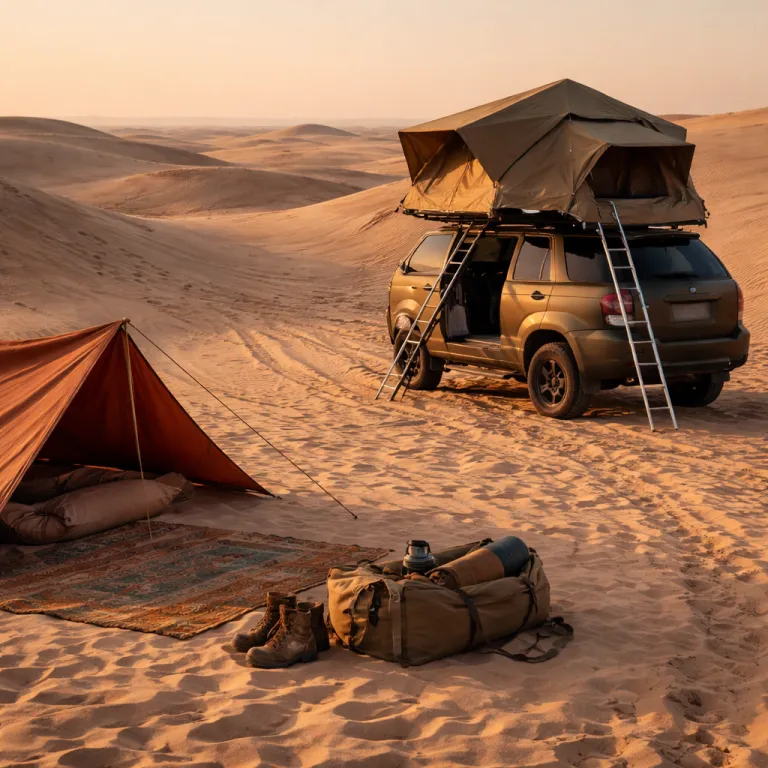
Section 1 – Why your next luxury stay in Qatar should include a night in the dunes
For premium families in Doha, Qatar, the most memorable luxury often begins where the road ends and the desert starts. When you plan a desert experience in Qatar through a curated hotel partner, the shift from polished lobby marble to raw sand feels both deliberate and deeply restorative. A well-designed overnight desert safari transforms a standard city break into a full-day narrative of sand dunes, inland sea horizons, and quiet starlit hours that children remember long after the pool fades.
Most five-star properties in Doha now work with specialist operators such as Discover Qatar and Experience Qatar to arrange a private desert safari directly from the porte cochère. Your driver-guide collects the family in a 4x4, leaves Doha city within minutes, and soon the skyline dissolves into rolling dune after dune, with the tidal inlet of Khor Al Adaid waiting beyond the last ridge. This area, recognised by UNESCO as a natural reserve within the wider Gulf region but not listed as a standalone World Heritage Site, is where a Qatar desert tour becomes tactile for younger travellers, who can step from the vehicle, feel the sand underfoot, and watch the first camel caravan pass the desert camp.
For parents, the key question is not whether to go, but how to calibrate comfort, safety, and price for a full-day itinerary. Publicly available sample prices from major operators and hotel concierge desks indicate that the average cost of a standard shared desert safari is often around 250–350 QAR per person, which is a useful benchmark when comparing tour inclusions and service levels. Luxury-focused families should look for small-group or private excursions with an English-speaking driver-guide, guaranteed bottled water, shaded seating at the desert camp, and flexible timing across the day to suit children’s energy levels.
Section 2 – Dune bashing, camel rides and quad biking: choosing family friendly thrills
Once the highway falls away, the first serious decision in any desert experience in Qatar is how adventurous your family wants the ride to be. Classic dune bashing in the Qatar desert uses powerful 4x4 vehicles to crest and descend steep sand dunes, which can feel like a rollercoaster for older children but may unsettle younger ones. Professional operators answer a common safety concern directly in their FAQs: “Is it safe to participate in desert safaris? Yes, when conducted by professional operators who follow safety guidelines and vehicle checks,” echoing advice from Qatar Tourism Authority guidance on licensed tours.
Ask your hotel concierge to book a desert safari in Qatar where the driver-guide is willing to adjust the bashing intensity on request, easing the ride for nervous passengers while still letting teenagers enjoy the thrill. Many tours combine a shorter dune-bashing session of 20–40 minutes with gentler activities such as a sunset camel ride, sandboarding on smaller dune faces, and relaxed time at a family-oriented desert camp. Look for itineraries that clearly state the approximate minutes spent on each activity, so you can balance excitement with rest across the day’s schedule.
Families who enjoy active experiences might add quad biking or guided sandboarding to their Qatar desert adventure, treating the dunes as a natural playground rather than a backdrop. If your children are younger, prioritise a calm camel ride near camp and time for them to play safely on firm sand under supervision. When comparing options, use the same mindset you would apply to selecting premium beach or golf cart excursions elsewhere, much like evaluating premium coastal mobility experiences; the right operator shapes how relaxed or stressful the day ultimately feels.
Section 3 – Khor Al Adaid and the inland sea: where desert meets water
The most compelling reason to plan a full-day desert experience in Qatar is the approach to Khor Al Adaid, the inland sea that defines the southern Qatar desert. Reaching this sea khor requires a skilled driver-guide, because the final stretch crosses soft sand dunes that drop directly into the water with no paved road in sight. Families should understand that the inland sea is accessible only by 4x4, which is why reputable safari operators insist on experienced drivers, tyre-pressure checks, and well-maintained vehicles that comply with local regulations.
A typical tour will leave Doha in the late morning, pause for a short camel ride and dune-bashing session, then continue towards Khor Al Adaid for the afternoon. The last thirty to forty-five minutes of travel feel almost cinematic, as the desert falls away and the sea appears in a wide arc of blue framed by pale sand. Many itineraries include time for children to paddle at the shoreline, while parents sit in shaded tents sipping Qatari tea and watching the light shift across the inland sea. One Doha-based parent described the moment in a Gulf Magazine interview as “like watching the city stress dissolve with every wave.”
For families who enjoy marine activities, it is worth pairing a desert experience in Qatar with a separate day focused on the coast, perhaps booking a high-end fishing charter similar in spirit to the curated outings described in our guide to luxury fishing experiences and premium gear. The contrast between open water and silent sand reinforces how compact yet varied Qatar can feel across just a few hours of travel. When planning, ask your hotel or operator to clarify the total hours spent driving versus relaxing at the inland sea, so younger guests are not overwhelmed by continuous motion.
Section 4 – From desert camp to Doha suite: integrating eco luxury into your stay
For premium families used to polished service in Doha city, the idea of sleeping in a desert camp can raise questions about comfort, privacy, and genuine luxury. Qatar’s eco-tourism push, highlighted in Qatar Tourism Authority strategy documents, has encouraged a new generation of glamping-style operations that blend proper beds, private bathrooms, and curated meals with low-impact design on the surrounding sand. The most compelling desert experience Qatar options now offer structured cultural activities alongside adventure, from falconry demonstrations to quiet storytelling around the fire.
When you book through a luxury hotel or a vetted platform such as myqatarstay.com, you can expect clear information about tent categories, bedding, and whether the camp is exclusive-use or shared with other guests. Many premium camps include a full day and night programme: afternoon dune bashing, sunset camel rides, evening sandboarding for older children, and a calm morning walk across the sand dunes before returning to Doha, Qatar. Parents should confirm whether bottled water, Qatari tea, and meals are included in the price, and whether an English-speaking host is present throughout the stay.
The most satisfying itineraries weave a Qatar desert stay into a broader wellness-focused escape, pairing one night in the dunes with several nights at a spa-oriented property in the city. Our guide to refined wellness hotels in Qatar highlights properties that understand how to balance urban energy with restorative quiet. Ask your concierge to coordinate late check-out on your return day, so children can shower, nap, and reset in a familiar suite after the early morning drive from the desert camp.
Section 5 – Practical guidance: timing, operators and what to bring for families
Thoughtful planning turns a desert experience in Qatar from a simple tour into a highlight of your family’s time in the country. The best months for a full-day desert safari are typically from November to March, when daytime temperatures often range between 20°C and 28°C and children can comfortably spend several hours outside on the sand without fatigue. Morning tours suit younger families who prefer softer light and cooler air, while late afternoon departures reward older children with golden-hour dune bashing and a sunset over the inland sea.
Reputable operators such as Discover Qatar, Experience Qatar, and ILoveQatar.net’s Brouq Desert Experience events work closely with local desert camps and cultural centres to maintain safety and authenticity. Many offer flexible timelines, from compact four-hour outings to extended overnight stays, so you can match the duration to your children’s ages and attention spans. When comparing offers, look beyond the headline price and examine what is included in the tour: private transfers from Doha city, guaranteed English-speaking guides, quad biking or sandboarding options, and the level of comfort at the desert camp.
Families should pack light but strategically for any safari outing, following the same core advice shared by local tourism authorities: “Wear light clothing. Stay hydrated. Use sunscreen. Book in advance.” Bring hats, sunglasses, a small bag for personal items, and perhaps a familiar toy for younger children who may feel overwhelmed by the scale of the Qatar desert. With the right operator, a patient driver-guide, and a clear sense of your family’s limits, dawn in the dunes can quietly rival any sunset on the Corniche.
FAQ – Desert experience Qatar for luxury and premium families
What is dune bashing and is it suitable for children?
Dune bashing is off-road driving on sand dunes using 4x4 vehicles, and in Qatar it is usually led by trained drivers who understand the terrain. For children, it can feel like a theme park ride, so parents should request a gentler style of driving and choose shorter sessions. Families with very young children may prefer to skip intense dune bashing and focus on camel rides, sandboarding on smaller slopes, and relaxed time at the desert camp.
How long does a typical desert safari in Qatar last?
Most standard desert safari itineraries run for four to six hours, including transfers from Doha and time at the dunes. Full-day and overnight options extend the experience, adding activities such as visits to the inland sea at Khor Al Adaid, quad biking, or cultural performances at camp. Premium families often choose a private half-day or full-day tour to control the pace, then add a single overnight in the desert to avoid overtiring younger travellers.
What should we bring on a family desert tour?
Families should bring sunscreen, hats, sunglasses, light breathable clothing, and closed shoes suitable for walking on hot sand. A small backpack for personal items, spare clothes for children, and a light jacket for cooler evenings at the inland sea are also useful. Reputable operators provide bottled water and sometimes snacks, but parents may wish to carry familiar snacks for younger children with specific preferences.
How much does a luxury oriented desert experience in Qatar cost?
According to indicative price ranges shared by Experience Qatar and similar tour providers, the average cost of a standard desert safari is often around 250–350 QAR per person, with private and luxury-focused tours priced higher. Premium packages that include private transfers from Doha, extended dune activities, meals, and overnight glamping in a desert camp can rise significantly above this benchmark. Families should compare inclusions carefully, checking whether camel rides, quad biking, sandboarding, and cultural activities are part of the base price or charged as optional extras.
Can Doha hotels arrange eco friendly desert and sea experiences?
Many high-end hotels in Doha work with certified operators who align with Qatar’s eco-tourism goals, combining low-impact desert activities with marine experiences such as kayaking or coastal wildlife observation. Guests can request itineraries that minimise driving time, limit group size, and prioritise conservation-sensitive areas like Khor Al Adaid and the surrounding dunes. When booking, ask your concierge to confirm the operator’s environmental practices and whether guides are trained to brief children on respecting the fragile desert and sea ecosystems.
Trustful expert sources: Qatar Tourism Authority; Gulf Magazine; Experience Qatar.