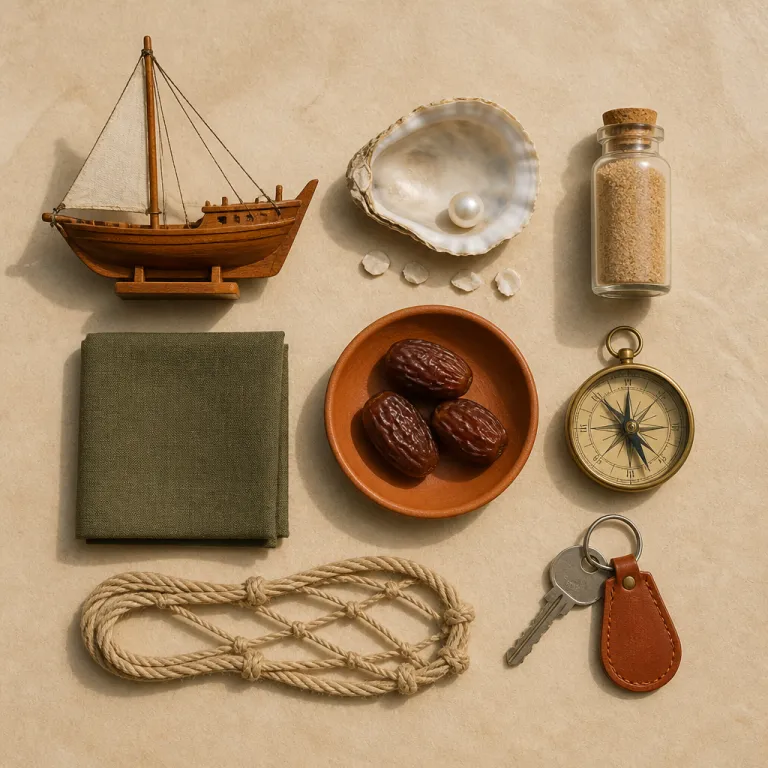
Pearl-diving in Doha: when a demo becomes a real cultural encounter
In Doha, many meaningful cultural experiences still begin on the water rather than in the streets. Luxury concierges quietly steer families toward curated pearl-diving demonstrations that feel closer to lived maritime heritage than to a staged photo opportunity. For premium travelers planning a short day itinerary or a longer stay, these sessions can anchor the whole trip.
Most five-star properties in the city now work with specialist operators who understand that pearl diving is part of national history, not a theme park show. While the UAE has long-running programmes such as Abu Dhabi Pearl Journey, whose guides explain that “What is pearl diving? Traditional method of retrieving pearls from oysters.”, Doha-based crews have adapted the same guided tour format to local waters and stories. The best cultural outings use traditional dhows, calm departures from the city marina and a slow build from storytelling to hands-on participation, with lifejackets, shaded decks and clear safety briefings as standard.
On a typical half-day tour, your family boards a dhow near the Museum of Islamic Art, with the skyline behind and the cultural village of Katara ahead. Children handle old oyster baskets while guides link Islamic art motifs to the shapes of shells, turning abstract heritage into tactile things young visitors can touch. For parents on a stopover, hotel teams often recommend timing the trip so you return to the city in time for sunset at MIA Park, folding two cultural experiences into one seamless day.
When you book through a serious luxury hotel, staff usually know which operators prioritise safety and substance over volume. They will brief you with practical travel tips on clothing, sun protection and sea conditions, then match the tour length to your children’s ages and interests. As one senior concierge at a West Bay property notes, “Families remember the stories more than the selfies, so we choose partners who talk about real divers’ lives, not just photo angles.” For those using a detailed travel guide or planning a multi-day itinerary, combining a morning pearl-diving demo with an afternoon museum visit creates a balanced cultural day that still leaves space for pool time.
From Doha to Al Zubarah: a heritage day that justifies leaving the pool
Leaving the comfort of a resort for a long drive only makes sense when the cultural payoff is real. Al Zubarah Fort, a UNESCO-listed site about 105 kilometres northwest of the capital, is one of the few heritage experiences that concierges consistently say is worth the journey. For families who usually hesitate to trade beach time for ruins, this is the day trip that changes minds.
The drive from Doha to Al Zubarah takes around one hour and thirty minutes, depending on traffic as you leave the city. Many luxury hotels arrange private cars with drivers who know where to stop for coffee and how to pace the day so younger travelers do not burn out before reaching the fort. For a deeper planning overview, hotel staff often point guests to heritage-focused trip outlines such as this guide to Al Zubarah, Katara and Souq Waqif heritage routes, then customise timings around family interests.
On site, the museum center at Al Zubarah explains how this once thriving trading city connected regional travel routes to India and East Africa. Exhibitions detail the pearl trade, Islamic art influences and the everyday objects merchants used, from ceramics to textiles. Children usually respond well to the scale of the fort and the visible city walls, which turn abstract cultural heritage into something they can walk, climb and photograph.
Concierges recommend pairing the fort with a relaxed lunch stop on the return to Doha, either at a coastal café or back at a city hotel restaurant where staff can quickly adapt menus for younger palates. This structure keeps the outing to a manageable cultural day rather than an exhausting marathon. For guests on a short stopover, a private Al Zubarah tour can be combined with an evening stroll along the Corniche, giving a sense of both the country’s past and its current urban energy in a single, carefully paced itinerary.
Souq Waqif after dark: moving beyond the tourist-bus circuit
Souq Waqif is the cultural cliché every brochure shows, yet concierges know that timing and route transform it from a checklist stop into one of the most layered experiences in the city. Arrive mid-afternoon and you will mostly meet tour groups and souvenir stalls; come after sunset and the lanes fill with Doha residents, regional visitors and families lingering over tea. For premium travelers staying in central hotels, this is the easiest heritage immersion you can reach on foot.
Hotel teams who understand local tourism rarely send guests into the souq with only a map. Instead, they sketch a loose tour that starts near the falcon souq, where children can see birds being weighed and inspected, then winds through spice alleys and fabric shops before ending in the café-lined squares. For a deeper sense of how these spaces fit into wider cultural narratives, some concierges share background reading such as this piece on how luxury hotels keep the majlis tradition alive, then point out parallels between private majlis culture and public souq gatherings.
Families often ask about the most meaningful things on offer at Souq Waqif beyond shopping. The answers usually include simple, human-scale experiences: letting children choose sweets from old-style confectionery shops, watching musicians during heritage events on weekends, or joining locals for late evening ice cream. These are the cultural moments that stay with children longer than a rushed group tour.
For guests on a short stopover, hotel concierges sometimes arrange a compact guided walk that links Souq Waqif with the nearby Museum of Islamic Art and the waterfront. This creates a coherent cultural travel route through central Doha, connecting gallery collections, everyday market life and the modern skyline in a single evening. With the right travel tips on dress, timing and restaurant reservations, even a few hours in this area can feel like a full story rather than a box ticked between flights.
Katara Cultural Village and MIA Park: curated culture that still feels alive
For families who prefer structured environments to chaotic streets, Katara Cultural Village and MIA Park offer cultural experiences with clear signage, clean facilities and easy access from major hotels. Katara sits between the West Bay towers and The Pearl, acting as a cultural village where galleries, amphitheatres and mosques cluster around pedestrian lanes. MIA Park, wrapping around the Museum of Islamic Art, gives the city a green breathing space where art, skyline and sea meet.
Concierges in Doha often suggest Katara for guests whose interests lean toward art exhibitions, concerts and heritage events but who still want playgrounds and open space for children. The Katara cultural programme changes regularly, with rotating exhibition schedules, film screenings and Islamic art themed workshops that introduce younger visitors to calligraphy or geometric design. When local tourism calendars align, a single evening can include a gallery opening, a family-friendly performance and a relaxed dinner on the waterfront.
MIA Park, anchored by the museum’s Islamic collection inside, is another favourite recommendation for premium families seeking balanced cultural experiences. A late afternoon visit to the galleries allows you to explore at a child-friendly pace, then move outside for bicycles, food trucks and one of the best skyline views in the city. For guests using a detailed travel guide, concierges often suggest pairing MIA Park with a short boat tour from the nearby jetty, turning a simple museum visit into a layered cultural outing.
Both Katara and MIA Park work especially well for stopover passengers who want meaningful experiences without long transfers. Luxury hotel teams can arrange private cars, timed tickets for major events and even behind-the-scenes tours when available. With the right planning, these spaces show how Doha blends contemporary architecture, curated art and living cultural heritage in ways that feel accessible rather than overwhelming for children.
Hotel-run heritage programmes versus third-party tours: what concierges really book
Every luxury property in the country claims to offer unique cultural experiences, yet concierges quietly filter which programmes they actually trust with their guests’ limited time. Hotel-run heritage activities, from Arabic coffee ceremonies to calligraphy classes, can be excellent when led by knowledgeable staff and linked to the property’s architecture or location. Third-party tours, meanwhile, range from deeply researched city walks to generic bus loops that skim past major sites without context.
Concierges in Doha tend to favour in-house experiences for short stopover guests who may not have time to leave the property. A well-executed majlis-style welcome, a guided tour of the hotel’s art collection or a private tasting of regional dishes can deliver compact cultural encounters in under an hour. For longer stays, they usually layer these with external tours to Souq Waqif, the Museum of Islamic Art, Katara Cultural Village or desert camps, creating a rhythm between hotel comfort and city exploration.
When it comes to more logistically complex outings such as desert safaris or dune-bashing, concierges are cautious. They know that some operators prioritise speed over safety, so they work only with vetted partners who use well-maintained 4x4 vehicles and trained drivers. As one regional operator notes, “Is dune-bashing safe? Yes, when conducted by professional operators.”, and that principle guides how hotels choose their preferred suppliers.
For families, the most successful cultural experiences usually combine a hotel-run introduction with a carefully chosen external tour. A property might host a short talk on national traditions in the morning, then send guests with a trusted guide to explore the Msheireb Heritage Quarter or MIA Park in the afternoon. With clear travel tips on pacing, hydration and sun exposure, concierges help guests avoid over-scheduling and ensure that each cultural day feels rich rather than rushed.
Designing a family-friendly cultural itinerary from a luxury hotel base
Premium families arriving in Doha often feel pressure to fit every major site into a single trip, especially when starting from a five-star base. Concierges who understand children’s attention spans build cultural experiences around energy levels rather than bucket lists. The result is a sequence of days where each element has room to breathe.
A typical three-day plan might start with a gentle city-focused day: morning at the Museum of Islamic Art, lunch in the café, then an evening wander through Souq Waqif with plenty of snack stops. The second day could pivot to water and heritage, with a pearl-diving themed dhow tour in the morning and relaxed pool time in the afternoon. On the third day, families might choose between a structured visit to Katara Cultural Village or a longer Al Zubarah excursion, depending on how children handled earlier outings.
For business travelers extending a stay, concierges often reference itineraries like this five star long weekend strategy, then adapt it for family needs. They weave in small but meaningful cultural touches, such as arranging a private hotel art tour between meetings or scheduling a sunset walk along the Corniche before dinner. With the right travel guide style briefing, even a short extension can feel like a considered travel chapter rather than an afterthought.
Across all these options, the constant is concierge curation. They know which heritage events are actually happening, which Islamic art exhibitions are open and which desert camps feel authentic rather than theatrical. For families willing to share their interests clearly, from art to wildlife or food, concierges can turn a generic list of things to do into a tailored sequence of cultural experiences that feel both luxurious and genuinely rooted in place.
Key figures behind regional cultural tours and heritage experiences
- Pearl-diving style cultural tours in the Gulf region run into the hundreds annually, with operators such as Abu Dhabi Pearl Journey reporting regular pearl-focused departures each season, illustrating sustained demand for maritime heritage experiences.
- Desert adventure activities that combine cultural elements with dune-bashing attract significant numbers, with some UAE-based operators handling many thousands of dune-bashing participants annually, a scale that informs how regional tourism boards design their own desert offerings.
- Heritage-focused tours in and around Doha increasingly blend guided storytelling with hands-on demonstrations, reflecting a wider regional trend toward experiential travel rather than passive sightseeing.
- Family-oriented cultural itineraries that combine a museum visit, a souq walk and a short boat or desert tour typically fit comfortably within an eight to ten hour day, which concierges use as a planning benchmark for cultural experiences.
FAQ about qatar cultural experiences from luxury hotels
What are the most authentic qatar cultural experiences for families staying in Doha?
For families based in Doha, concierges usually highlight a combination of the Museum of Islamic Art, an evening in Souq Waqif, time at Katara Cultural Village and a carefully chosen dhow or desert tour. These options balance structured learning with open space for children to explore. When linked over two or three days, they create a coherent picture of qatar cultural heritage without overwhelming younger travelers.
Is dune-bashing suitable for children on a luxury trip to Qatar?
Dune-bashing can be suitable for older children when arranged through professional operators who prioritise safety and vehicle maintenance. Luxury hotels in qatar doha typically work only with vetted partners and will advise on age limits, seatbelt use and tour duration. Families who prefer a gentler experience can opt for desert tours that focus more on Bedouin camp visits, falconry and camel encounters than on high speed driving.
How much time should I allocate for a day trip from Doha to Al Zubarah Fort?
A well paced day qatar excursion from doha to Al Zubarah usually takes between six and eight hours. This allows for the drive, time to explore the fort and archaeological site, a visit to the small museum center and a relaxed meal on the return. Concierges often recommend starting early to avoid midday heat and to leave flexibility for an evening activity back in the city.
Can I experience Qatar’s pearl-diving heritage without spending a full day at sea?
Yes, many operators working with luxury hotels offer half day dhow tours that focus on storytelling, demonstrations and short water time rather than full scale diving. These experiences often depart from marinas near central doha, making them easy to fit into a broader qatar travel itinerary. For guests on a qatar stopover, concierges can usually arrange compact sessions that still convey the essence of this aspect of qatar national history.
Are hotel-run cultural activities in Doha worth prioritising over external tours?
High quality hotel-run programmes are valuable, especially for short stays or very young children, because they deliver focused qatar cultural experiences with minimal logistics. However, they work best as a complement to external visits to places like Souq Waqif, MIA Park or Katara Cultural Village. Concierges generally recommend a mix of both, using in-house activities as introductions and city or desert tours as deeper explorations.