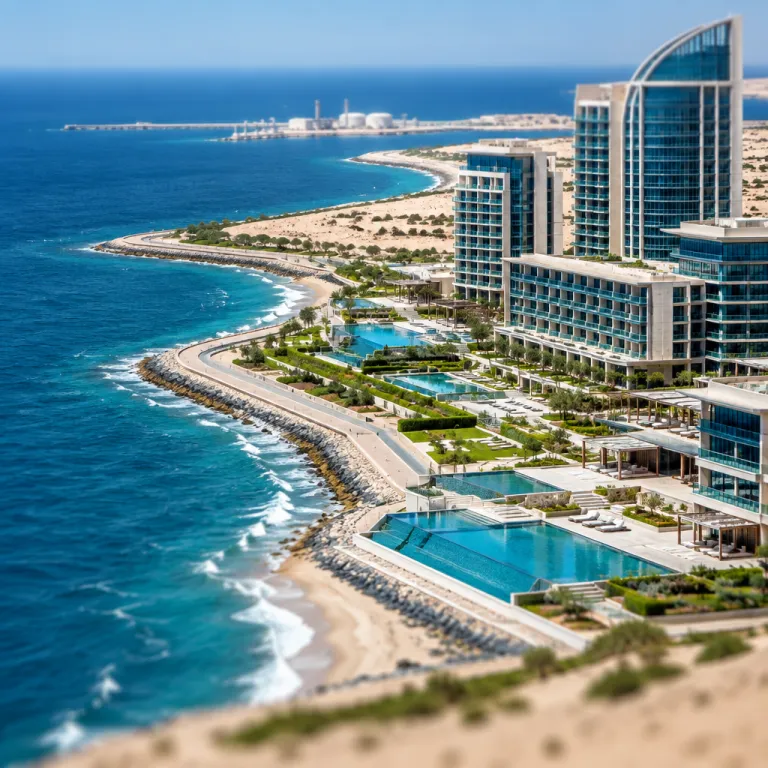
The real cost of water cooled luxury in Doha
Every infinity pool shimmering above Doha’s corniche hides a quiet truth. In sustainable luxury hotels Qatar, the greatest pressure on sustainability is not the marble or the design, but the desalinated water and relentless cooling that keep each luxury hotel comfortable in extreme heat. For any traveller serious about sustainable travel in Qatar, understanding this hidden footprint is the first step toward responsible tourism choices.
Across the city, luxury hotels and every high end resort depend on desalination, an energy intensive process that shapes the environmental impact of hospitality in the Middle East. When a property promotes eco friendly credentials, the honest question is how its resort experience manages water use, cooling systems and long term energy demand rather than only talking about linen reuse or a token eco initiative. In Doha’s dense city districts and along the quieter coast, responsible hospitality means confronting this low impact promise head on and proving that sustainable luxury can coexist with comfort.
For myqatarstay.com, which positions itself as a guide to sustainable luxury hotels Qatar, the benchmark is clear and non negotiable. A luxury hotel that claims responsible luxury must show how guests enjoy comfort while the property reduces water consumption, optimises cooling and invests in impact design that respects the desert nature around Doha. When you compare options on a booking website, look beyond the word luxury and ask how each hotel integrates sustainability into daily operations, not just into marketing language about tourism sustainable ambitions.
Where the footprint really lies: water, cooling and landscaping
In Qatar, the environmental load of a luxury resort concentrates in three places. First comes water, where every pool, fountain and lush garden in sustainable luxury hotels Qatar depends on desalinated supply that links comfort directly to energy demand and regional sustainability goals. Second comes cooling, where vast glazed façades and dramatic atriums in Doha’s hospitality scene require powerful systems that can undermine even the most elegant eco friendly design.
Third is landscaping, where imported lawns and thirsty plants can quietly erase the gains of responsible tourism policies that look convincing on paper. A resort that talks about responsible luxury but maintains hectares of grass in the desert is making a clear design choice that conflicts with low impact ambitions and regenerative tourism narratives. By contrast, properties that embrace local species, shaded courtyards and nature sensitive planning show how responsible hospitality can feel luxurious without pretending Qatar is a tropical island near Dubai.
For travellers comparing sustainable resort options, this is where substance begins. Ask how the property manages irrigation, whether greywater is reused for landscaping and how much of the garden palette is genuinely local rather than imported for visual drama. When myqatarstay.com evaluates luxury hotels, we look for transparent data on water use, clear waste management strategies and resort experience details that prove guests enjoy comfort while the hotel moves toward a responsible future for tourism in the Middle East.
For readers interested in how other regions handle similar questions, our guide to elevated eco conscious stays in rainforest lodges offers a useful contrast in climates where water is abundant but impact design still matters. Comparing those properties with sustainable luxury hotels Qatar highlights how context changes the sustainability challenge, yet the core principles of responsible tourism remain strikingly consistent. The lesson for Doha is that every luxury hotel must adapt these principles to a harsher climate where each litre of water and each degree of cooling carries amplified significance.
Meaningful moves versus optics in Doha’s luxury properties
Marketing language around sustainability in Qatar’s hospitality sector has become fluent and polished. Many luxury hotels now reference sustainable luxury, eco friendly practices and responsible tourism in their brochures, yet the depth of these commitments varies dramatically from one property to another. For travellers using myqatarstay.com to filter sustainable luxury hotels Qatar, the challenge is separating meaningful action from surface level optics.
Substantive moves usually start with infrastructure rather than slogans. Greywater systems that feed irrigation, smart cooling that adjusts to occupancy, and impact design that orients buildings to reduce solar gain all show that sustainability is embedded in the property rather than added as an afterthought. When a resort explains how its waste management programme reduces landfill, or how its procurement policy favours local suppliers to cut transport emissions, you see responsible hospitality in practice rather than in a press release.
Optics, by contrast, tend to focus on visible gestures that leave the core systems untouched. A hotel might offer reusable straws, promote a single eco themed weekend or highlight a small herb garden while still running oversized pools and overcooled public spaces that define the real footprint. For a traveller committed to sustainable travel, the key is to ask questions about energy use, water intensity and long term targets, not just about whether the resort offers organic amenities or a wellness smoothie bar.
Our editorial line at myqatarstay.com is shaped by this distinction. We highlight properties where guests enjoy comfort supported by measurable progress toward tourism sustainable goals, and we call out cases where responsible luxury is treated as a decorative label. For readers who want to see how refined eco friendly luxury accommodation is evaluated in another context, our analysis of eco conscious Queensland stays for Qatar travellers offers a framework that translates well to Doha’s hotel scene.
How to read between the lines as a solo traveller
For the solo explorer planning travel to Qatar, glossy photography rarely answers the most asked questions about sustainability. Booking platforms and hotel websites often highlight wellness offers, spa rituals and city views, yet they seldom explain how the resort experience interacts with water, energy and waste management behind the scenes. To align your stay with responsible tourism values, you need a sharper set of questions and a willingness to look past the lobby.
Start with water and cooling, because these define the environmental reality of sustainable luxury hotels Qatar. Ask whether the property uses treated greywater for irrigation, how pools are managed and whether room thermostats are genuinely adjustable rather than locked at very low temperatures. A luxury hotel that takes sustainability seriously will usually share clear information about these systems, because they represent significant investment and signal a long term commitment to responsible hospitality.
Next, look at sourcing and community links. Does the hotel work with local suppliers for food, design elements and cultural programming, or does it import a generic international aesthetic that could sit equally in Dubai or any other city in the Middle East ? When guests enjoy regional cuisine prepared with local ingredients, or when a property supports regenerative tourism initiatives in nearby nature reserves, you see sustainable travel translated into daily hospitality practice rather than abstract policy.
Finally, pay attention to how the hotel handles frequently asked sustainability topics on its website. If the FAQ section only covers check in times and spa hours, you may need to email the property directly with more specific, frequently asked questions about tourism sustainable policies, responsible future goals and impact design choices. A transparent response that explains waste management, low impact construction and responsible luxury standards is often the clearest indicator that the marketing language around sustainable luxury hotels Qatar is backed by real action.
Qatar’s wider sustainability ambitions and what they mean for hotels
Qatar’s national sustainability agenda places water security, energy efficiency and responsible tourism at the centre of its long term planning. For Doha’s luxury hotels, this means the era of unchecked consumption is quietly giving way to a more measured approach where sustainability is no longer optional branding. Properties that align early with these expectations will be better positioned as tourism sustainable standards tighten across the Middle East.
In practice, this alignment touches every layer of hospitality. New developments are increasingly expected to integrate impact design that reduces cooling loads, while existing hotels are pushed toward retrofits that improve insulation, upgrade systems and refine waste management processes. When a resort in Qatar invests in smart irrigation, local planting and eco friendly materials, it is not only protecting nature but also responding to regulatory signals that favour responsible hospitality over short term spectacle.
For travellers, this shift creates both opportunity and responsibility. Choosing sustainable luxury hotels Qatar that demonstrate clear progress sends a market signal that responsible tourism and regenerative tourism are not niche preferences but mainstream expectations. When guests enjoy high end service in a property that treats water as a precious resource rather than an infinite backdrop, they participate in shaping a more responsible future for the region’s tourism economy.
Seasonality also matters in a desert climate where cooling loads fluctuate. Our guide to Qatar’s shift from indoor refuge to open air playground explains how travel timing can reduce your personal footprint by aligning stays with milder weather. Planning your visit around these patterns, and favouring a luxury hotel that adapts operations accordingly, is one of the most practical ways to support sustainable travel in Doha and beyond.
From marketing promise to measurable change in Doha’s hotels
The final test for sustainable luxury hotels Qatar is not the elegance of their sustainability reports but the evidence visible on the ground. A property that speaks confidently about responsible luxury should be able to show concrete reductions in water use, clear improvements in energy efficiency and transparent data on waste management outcomes. Without these measurable shifts, sustainability remains a narrative rather than a structural change in how the hotel operates.
For myqatarstay.com, credibility rests on interrogating these claims with the same rigour we apply to service standards or design quality. When we review a luxury hotel in Doha, we look for alignment between stated sustainability goals and the physical reality of the resort experience, from the temperature of public spaces to the choice of landscaping and the visibility of recycling systems. Properties that treat responsible hospitality as a core business strategy, rather than a marketing add on, tend to perform better on both guest satisfaction and long term resilience.
As a traveller, you can reinforce this trajectory by asking direct questions before you book and by sharing feedback after your stay. Mention the importance of tourism sustainable practices in your correspondence, ask how the property approaches regenerative tourism and note whether eco friendly measures feel integrated or merely symbolic. Over time, this pattern of informed demand helps shift the market toward a responsible future where luxury hotels in Qatar are judged not only by their skyline views but by how thoughtfully they manage water in the desert.
Frequently asked questions about sustainable luxury hotels in Doha
How can I tell if a Doha luxury hotel is genuinely sustainable ?
Look for specific information about water use, cooling systems and waste management rather than generic green language. Genuine sustainable luxury hotels Qatar usually explain how they reuse greywater, optimise energy and integrate local landscaping instead of relying on imported lawns. If the hotel shares measurable targets or certifications and responds clearly to sustainability questions, that is a strong sign of responsible hospitality.
Do sustainable luxury hotels in Qatar compromise on comfort ?
Well designed properties in Doha show that sustainability and comfort can reinforce each other. Smart impact design, better insulation and efficient cooling often create more stable indoor temperatures and quieter rooms, which guests enjoy throughout their stay. The most advanced luxury hotels use technology and thoughtful planning so that eco friendly measures feel seamless rather than restrictive.
Is choosing a city hotel or a resort better for low impact travel ?
Both city hotels and coastal resorts in Qatar can be either high or low impact, depending on their systems and design. Urban properties may benefit from shared infrastructure and shorter transfer times, while a resort can sometimes integrate nature sensitive landscaping and regenerative tourism projects. The key is to compare how each property manages water, energy and local sourcing rather than assuming one category is automatically more sustainable.
What questions should I ask a hotel before booking a sustainable stay ?
Ask about water reuse, energy efficiency measures, waste management and any long term sustainability goals the property has adopted. You can also enquire whether the hotel supports local suppliers, community initiatives or conservation projects linked to tourism sustainable objectives. Clear, detailed answers usually indicate that sustainability is embedded in operations rather than treated as a marketing theme.
Does travelling from abroad to Qatar cancel out hotel sustainability efforts ?
Long haul travel carries a significant footprint, but your choices on the ground still matter. Selecting sustainable luxury hotels Qatar, travelling outside peak cooling seasons and supporting responsible tourism activities can reduce the overall impact of your trip. Combining efficient flights with thoughtful accommodation decisions is more effective than focusing on only one part of the journey.