Traditional Arabic wellness in Qatar beyond the themed spa cliché
Traditional Arabic wellness in Qatar is no longer a decorative motif in a marble spa corridor. It is becoming a structured wellness journey where Traditional Arabic and Islamic Medicine (TAIM) shapes how your body, mind, and spirit are assessed and cared for. For solo travelers booking luxury stays in Qatar, this shift means the wellness offer can now be as compelling as the suite category or the skyline view.
TAIM is defined in the expert literature as “Traditional Arabic and Islamic Medicine focusing on holistic health,” a description used in reviews of regional medical heritage published in journals such as Evidence-Based Complementary and Alternative Medicine. In practice across Qatar, that means medicine rooted in prophetic traditions, a classical herbal pharmacopoeia, and Arabic–Islamic concepts of balance between physical and mental states, translated into therapies personalized for contemporary guests. Resorts are adopting this holistic approach not as a spa gimmick, but as a way to anchor health and wellbeing in the region’s own intellectual history while operating under modern clinical oversight.
For travelers used to Ayurvedic or Balinese rituals, traditional Arabic wellness in Qatar offers a different grammar of healing. Instead of doshas or Balinese energy lines, you encounter Islamic medicine frameworks, hijama (wet) cupping, frankincense inhalations, and nutritional guidance aligned with Islamic dietary ethics. The World Health Organization’s materials on traditional medicine note that such practices are increasingly integrated into regulated health systems, and in Qatar this translates into retreats where every treatment, from deep tissue massage to herbal steam therapy, is positioned as part of a longer wellness journey rather than a one-off indulgence.
Zulal Wellness Resort by Chiva Som: TAIM as a complete ecosystem
Zulal Wellness Resort in Al Ruwais is where traditional Arabic wellness in Qatar becomes a full ecosystem rather than a menu add-on. Spread across roughly 280,000 square metres of desert coastline, this wellness resort was developed with Chiva-Som International Health Resort, a Thai-based pioneer in integrative health retreats, to integrate TAIM principles into every aspect of the stay. For discerning guests arriving from Doha or abroad, the drive north feels like a soft reset before the structured retreat even begins.
On arrival, Zulal wellness programmes usually start with detailed consultations that map your health history, lifestyle, and emotional state. Practitioners trained in TAIM and modern therapies—often physicians, clinical nutritionists, and licensed physiotherapists registered with local health authorities—then design therapies personalized to restore balance across physical, mental, and spiritual dimensions, using tools such as herbal remedies, dietary plans, and physical therapies. This is where the partnership with Chiva-Som shows: the methodology is clinical in its precision, with clear treatment plans and outcome tracking, but the philosophy remains deeply traditional and Arabic–Islamic in its framing.
The property is divided into Zulal Discovery for families and Zulal Serenity for adults, allowing solo travelers to choose the level of quiet they need. In both wings, TAIM-based treatments range from deep tissue massage with regional oils to hydrotherapy, hijama cupping, and aromatherapy with oud and frankincense, all delivered in a resort spa environment that feels more like a clinic–retreat hybrid than a typical hotel spa. Multi-night programmes commonly run from three to fourteen days, with daily schedules that combine consultations, movement classes, and targeted therapies. For a deeper look at how this destination operates, our detailed review in our inside guide to Zulal by Chiva Som unpacks whether the world’s largest wellness resort lives up to its accolades, including recent Condé Nast Traveller Readers’ Choice recognition and mentions in global wellness rankings.
What TAIM therapy actually involves: from prophetic medicine to modern programmes
TAIM in Qatar is not a single therapy, but a framework that shapes how wellness, medicine, and hospitality intersect. At its core, Traditional Arabic and Islamic Medicine draws on prophetic teachings, Greco–Arabic scholarship, and regional herbal knowledge to understand how the body seeks balance. Academic surveys of TAIM describe systems of temperament, organ function, and lifestyle guidance; when translated into a luxury resort context, that philosophy becomes a curated sequence of treatments, rituals, and lifestyle coaching rather than isolated spa sessions.
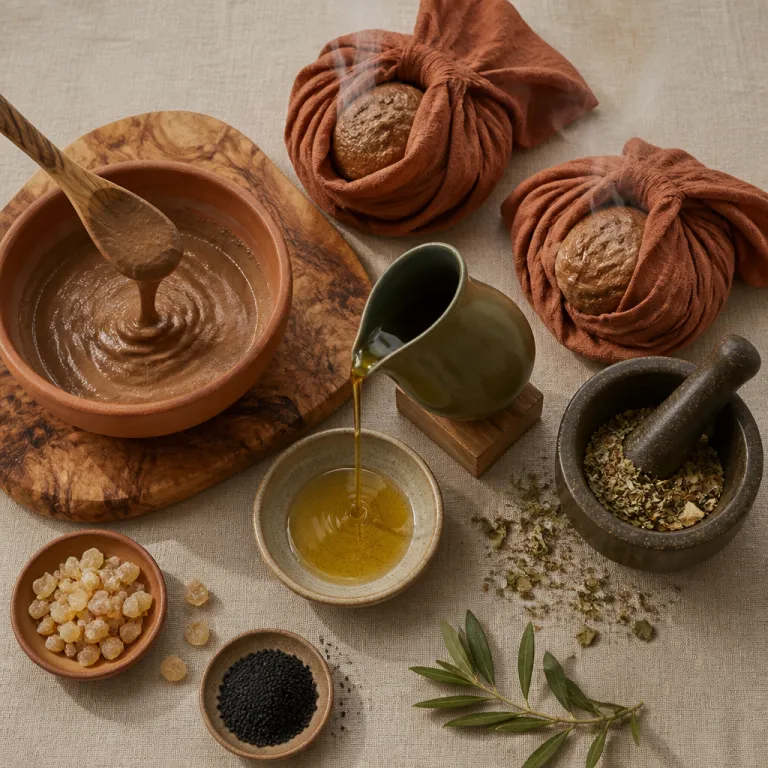
Typical TAIM-inspired treatments in a wellness resort might include cupping therapy, herbal poultices, frankincense inhalation, hammam rituals, and massage using black seed or sidr-infused oils. These are often combined with modern therapies such as physiotherapy, osteopathy, or clinical nutrition, creating a layered holistic approach that respects tradition while acknowledging contemporary health science. Systematic reviews in journals like PLoS One and BMC Complementary Medicine and Therapies suggest that cupping may help with certain types of pain, though evidence quality varies and more rigorous trials are needed. The aim in resort settings is not only to release tension in muscles, but to support long-term health and wellbeing through better sleep, digestion, emotional regulation, and spiritual grounding.
What separates a genuine TAIM retreat from a Middle Eastern–themed spa is the depth of assessment and follow-up. At properties leading traditional Arabic wellness in Qatar, you are likely to receive structured consultations, personalized TAIM-based recommendations, and ongoing guidance, rather than a decorative hammam plus generic aromatherapy. Doha’s high-end hotels are starting to move in this direction, as we explore in our report on Doha’s quiet spa revolution, where the spa now rivals the suite as the main reason to book. Guests with complex medical histories are generally advised to discuss TAIM-based therapies with their primary healthcare provider, especially when considering cupping, herbal remedies, or intensive detox-style programmes.
Doha’s hotel spas: TAIM adjacent experiences for the wellness curious
Not every traveler has the time or budget for a full retreat at a dedicated wellness resort, yet Doha’s luxury hotels are increasingly offering TAIM-adjacent experiences. Properties such as Al Messila’s vast spa complex, with its hammam circuits and heritage-inspired treatments, bring elements of traditional Arabic wellness into an urban setting. For solo explorers using Doha as a stopover, these resort spa facilities can provide a meaningful taste of TAIM philosophy without committing to a multi-day programme.
In these city hotels, you might book a deep tissue massage that incorporates oud oil, a hammam ritual referencing historical cleansing practices, or a personalized therapy plan that blends modern therapies with herbal compresses. While not always labelled explicitly as Islamic medicine, the underlying logic often mirrors TAIM principles, aiming to restore balance between physical and mental states through heat, circulation, and mindful rest. The best teams treat wellness as more than a post-flight indulgence, positioning it as a gateway into the region’s healing traditions and, where appropriate, coordinating with in-house medical advisers or visiting specialists.
For travelers who want to pair urban spa time with nature-based calm, combining a Doha stay with a desert or coastal escape can be powerful. Our guide to inland escapes most Doha hotel guests miss shows how a night among the dunes can extend the effects of a carefully chosen therapy. In this blended itinerary, the city spa provides targeted treatments and the desert offers the spaciousness that TAIM considers essential for deep healing and sustained health and wellbeing, echoing research on the restorative impact of natural environments on stress and sleep quality.
Who TAIM speaks to and how to book it intelligently
Traditional Arabic wellness in Qatar particularly appeals to travelers who have already cycled through Ayurvedic panchakarma, Balinese energy work, or European medical spas. These guests are not chasing another scented massage; they are looking for a wellness journey that feels culturally rooted, intellectually rigorous, and emotionally resonant. TAIM offers that by framing therapy and treatments within a worldview where the body, mind, and spirit are inseparable, and where Arabic–Islamic ethics guide even the smallest lifestyle recommendation.
When booking through a premium platform such as myqatarstay.com, the key is to match your expectations with the right level of immersion. If you want a full retreat, look for packages at Zulal Wellness Resort that include consultations, access to Zulal Discovery or Zulal Serenity, and a mix of TAIM-based and modern therapies tailored to your health profile. If you prefer a lighter touch, choose Doha hotels where the resort spa teams can design therapies personalized around jet lag, digital fatigue, or specific physical and mental concerns, using at least some elements of traditional Arabic practice. Guests with cardiovascular conditions, bleeding disorders, or pregnancy should confirm with both their doctor and the resort team which therapies—especially hijama cupping or intense heat treatments—are appropriate.
Practical details matter in this region, especially for solo explorers. Book treatments in advance, as TAIM specialists and deep tissue therapists are often in high demand, and allow time between sessions to rest rather than rushing back to meetings or sightseeing. Stay hydrated in Qatar’s dry climate, engage with practitioners about the philosophy behind Islamic medicine, and treat each massage or therapy as one chapter in a longer story of healing and balance rather than a standalone treat. To compare dates, programme lengths, and sample itineraries, use our booking tools to check availability before you travel, and always consider how TAIM-based experiences will complement—not replace—conventional medical care.
FAQ
What is TAIM therapy in Qatar’s wellness resorts?
TAIM therapy in Qatar’s wellness resorts refers to Traditional Arabic and Islamic Medicine applied in a structured spa and retreat context. It combines herbal remedies, cupping, hammam rituals, nutritional guidance, and spiritual practices to support holistic health. Resorts use TAIM to address both physical and mental wellbeing, aiming for long-term balance rather than short-term relaxation only, and typically operate under clinical protocols reviewed by licensed healthcare professionals.
Why are Qatar’s resorts adopting TAIM based programmes?
Qatar’s resorts are adopting TAIM-based programmes to offer wellness experiences that are culturally authentic and globally competitive. This approach differentiates them from generic Middle Eastern–themed spas by grounding treatments in Islamic medicine scholarship and regional healing traditions. It also responds to rising demand from wellness travelers who want depth, meaning, and a holistic approach to health and wellbeing, as reflected in recent global wellness tourism reports and in the World Health Organization’s strategy on integrating traditional medicine into health systems.
How is a TAIM focused stay at Zulal different from a regular spa break?
A TAIM-focused stay at Zulal Wellness Resort usually begins with detailed health consultations and continues with a personalized programme rather than ad hoc spa bookings. Guests move through a curated sequence of treatments, classes, and nutrition plans designed using TAIM principles and modern therapies. The experience feels closer to a wellness clinic–retreat than a conventional hotel spa weekend, with follow-up recommendations you can continue at home and, where relevant, documentation you can share with your own physician.
Can I experience elements of TAIM without booking a full retreat?
Yes, many Doha luxury hotels now offer TAIM-adjacent treatments such as hammam rituals, deep tissue massage with regional oils, and heritage-inspired therapies. While these may not constitute a full TAIM retreat, they introduce key aspects of traditional Arabic wellness in an accessible format. Booking a series of therapies personalized around your needs can still deliver meaningful healing and release tension, provided you disclose any medical conditions so therapists can adapt techniques and avoid contraindicated practices like intensive cupping.
Who is TAIM based wellness in Qatar best suited for?
TAIM-based wellness in Qatar is well suited to experienced wellness travelers, solo explorers, and guests seeking a spiritually informed approach to health. It particularly resonates with those interested in Arabic–Islamic culture, functional nutrition, and long-term lifestyle change. First-time spa guests can also benefit, provided they are open to engaging with both the traditional and clinical aspects of the programmes and willing to follow guidance between sessions, while understanding that TAIM complements but does not replace evidence-based medical diagnosis or emergency care.