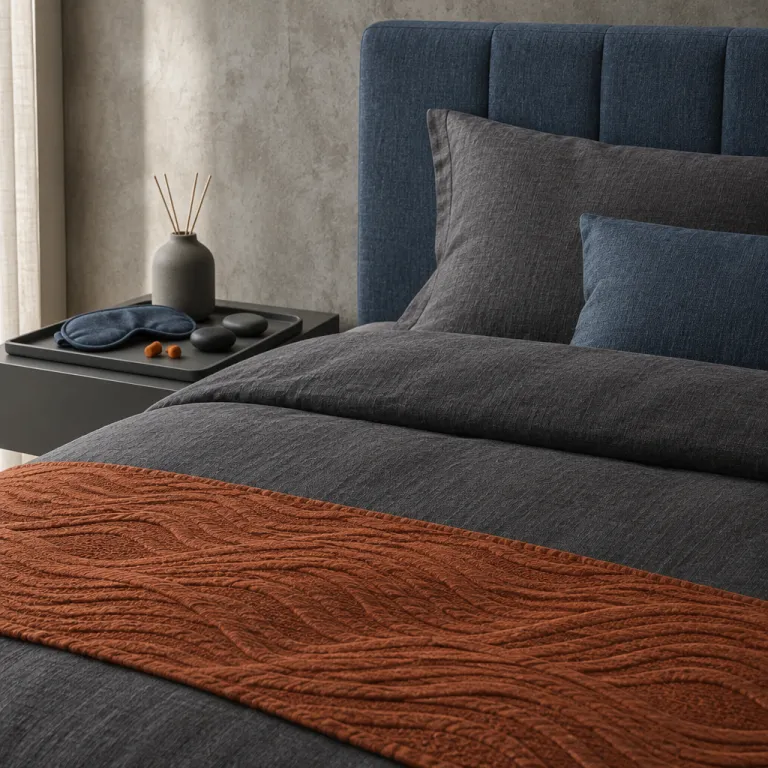
Why sleep tourism belongs in Doha’s wellness conversation
Sleep tourism has shifted from fringe curiosity to serious wellness priority for high frequency travelers passing through Doha. In a city built as a long haul aviation hub, a focused sleep retreat Qatar experience can turn a punishing red eye into a strategic advantage for the next morning’s boardroom. For executives extending business trips into leisure, the promise is simple yet powerful ; arrive, sleep deeply, and protect long term health and performance.
Qatar’s leading wellness resort properties now treat sleep as a core wellness pillar, not a side benefit of a comfortable mattress. The best sleep retreats in resort Qatar settings weave together spa rituals, gentle therapy sessions, and personalised programmes that respect both physical health and mental emotional resilience. When a hotel frames sleep as a premium service rather than a basic amenity, it signals a holistic approach to health wellbeing that resonates with demanding corporate guests.
For this audience, the language of wellness must translate into measurable outcomes, not vague promises. They want to know how specific techniques will calm the nervous system, how a programme will restore balance after multiple time zones, and how body balance can be maintained across a punishing travel schedule. In that context, a serious sleep retreat Qatar offer becomes less about indulgence and more about protecting physical mental capacity for high stakes decisions.
From treatment room to bedroom: how Doha’s resorts design for sleep
In Doha’s new generation of wellness resort properties, the most interesting work now happens in the guest room rather than only in the spa. Circadian lighting systems, deep blackout design, and carefully tuned soundscapes form the quiet architecture behind an effective sleep retreat Qatar stay. When these physical details align with thoughtful service, the entire resort becomes a discreet sleep laboratory for the frequent flyer.
At coastal sanctuaries such as Zulal by Chiva Som, sleep retreats are framed within broader wellness programmes that respect both ancient healing traditions and modern therapies. Our in depth review of Zulal by Chiva Som as a global wellness resort shows how zulal wellness concepts extend from the spa to the pillow menu, from massage rooms to bedroom lighting. Here, zulal discovery experiences and other programmes focus on restoring body balance through gentle techniques that support the nervous system overnight.
Across resort Qatar properties, the most credible sleep retreats combine physical design with subtle rituals rather than theatrical gestures. Expect evening turndown that feels like quiet therapy for the senses, with aromatherapy, herbal infusions, and guidance on wind down routines that respect both physical mental fatigue and mental emotional overload. When a hotel’s programmes focus on sleep as a form of healing, the bedroom becomes the primary treatment room, and the spa simply supports the work that happens between dusk and dawn.
The spa as a gateway to deeper rest
For many travelers, the first contact with a sleep retreat Qatar experience still begins in the spa, not the suite. A well designed pre sleep massage can act as a bridge between high alert business mode and the slower rhythms required for restorative sleep. The best therapists in Doha understand that this is not about indulgence ; it is targeted therapy for a nervous system running on caffeine and deadlines.
Leading spas within wellness resort settings now curate treatment programmes that explicitly support sleep retreats rather than generic relaxation. You will see massage sequences that use slower techniques to calm balance nervous responses, bodywork that encourages body balance after long flights, and thermal circuits that gently nudge the body toward a lower core temperature before bed. Some programmes focus on combining ancient healing practices with modern therapies, always framed within a holistic approach that respects both physical health and mental emotional wellbeing.
For guests planning a longer retreat, seasonal offers and curated wellness programmes in Qatar can be a smart entry point. Our guide to the best wellness retreat packages in Qatar highlights how certain resort Qatar properties now build multi night stays around structured sleep rituals. When a spa team aligns its service, personal training sessions, and relaxation spaces with the goal of helping you restore balance overnight, the entire property starts to function as a coherent sleep sanctuary.
Business leisure priorities: sleep as a competitive advantage
For the business leisure traveler, a credible sleep retreat Qatar offer is less about scented candles and more about performance metrics. Arriving from a long haul flight and still presenting sharply in a morning meeting is a form of competitive edge that a hotel can genuinely sell. In this context, wellness becomes a strategic tool rather than a weekend indulgence.
Executives booking into a wellness resort in Doha now ask precise questions about programmes, not just room categories. They want to know how a property’s sleep retreats integrate with personal training, how therapy sessions address stress accumulation, and how the service culture supports quiet evenings rather than late night noise. Articles such as our analysis of executive floor experiences that reward loyalty beyond points show how high performers increasingly value health wellbeing benefits alongside traditional perks.
In practice, the most effective programmes focus on small, repeatable habits that protect physical mental capacity across multiple trips. That might mean structured wind down windows, guidance on nutrition that supports sleep, or simple techniques to restore balance nervous responses after intense negotiations. When a Doha resort positions its sleep retreats as part of a broader holistic approach to body balance and mental emotional resilience, it speaks directly to the way executives now measure return on their travel time.
How to read between the lines of a sleep programme
Marketing language around any sleep retreat Qatar offer can be seductive, but informed travelers in Doha now read the fine print. A credible programme will explain how its techniques support both the body and the nervous system, rather than relying on vague promises of deep relaxation. Look for clear links between spa treatments, in room design, and follow up guidance that helps you maintain body balance once you leave the resort.
When assessing wellness programmes, pay attention to how often the word personalised appears alongside concrete details. Serious wellness resort teams will outline how programmes focus on your specific stress patterns, physical health concerns, and mental emotional triggers, rather than offering a one size fits all retreat. You should see thoughtful integration of massage, gentle therapy sessions, and personal training that respects both physical mental strain and the need to restore balance nervous responses.
Properties connected to established wellness brands such as Chiva Som or those building a zulal wellness identity within Qatar often provide clearer frameworks. At places where zulal discovery experiences are offered, for example, you will typically find structured pathways that guide you from initial assessment through tailored sleep retreats and broader health wellbeing coaching. The most trustworthy resort Qatar options treat sleep as one element within a long term healing journey, not a quick fix, and they equip you with modern therapies and simple techniques you can continue at home to restore balance over time.
FAQ
What defines a genuine sleep focused hotel programme in Doha ?
A genuine sleep focused programme in Doha links room design, spa treatments, and daily routines into one coherent plan. You should see specific references to circadian lighting, noise control, and structured wind down rituals rather than generic relaxation language. When a property explains how its services support both physical health and mental emotional balance, you are looking at a more serious offer.
How does a sleep retreat in Qatar help frequent business travelers ?
For frequent business travelers, a sleep retreat Qatar stay can reduce accumulated stress and jet lag, improving focus for meetings. By calming the nervous system through targeted massage, gentle therapy, and quiet evening rituals, these programmes protect physical mental performance across demanding itineraries. Over repeated trips, this approach supports long term health wellbeing rather than short bursts of recovery.
Are sleep retreats only available at dedicated wellness resorts ?
Sleep retreats began at dedicated wellness resort properties, but several city hotels in Doha now integrate similar ideas. You may find pillow menus, blackout design, and spa treatments that support sleep even in primarily business focused hotels. The key is whether the property connects these elements into a clear, personalised programme rather than offering them as isolated amenities.
What should I ask before booking a sleep oriented stay in Qatar ?
Before booking, ask how the hotel’s programmes focus on sleep specifically, not just relaxation. Request details on room features, spa protocols, and any personal training or coaching that supports body balance and stress management. Clarify whether the retreat includes follow up guidance so you can maintain better sleep habits after leaving the resort.
Can a short one night stay still benefit my sleep and wellbeing ?
Even a single night in a well designed sleep focused room can help reset your body after a long flight. When combined with a targeted pre sleep massage and quiet evening routine, that stay can reduce stress and support the nervous system. For deeper healing and more durable body balance, multi night programmes are usually more effective.
Sources
World Health Organization ; Global Wellness Institute ; International Air Transport Association.